How to Choose the Right Desert Buggy Rental in Dubai
Choosing a buggy rental dubai starts with a clear idea of how the day should feel. Desert driving can be relaxed, energetic, or built around a route with stops, and the right choice depends on your group, your comfort with rough ground, and the level of structure you want. A little care at the start helps avoid mismatches later, such as a vehicle that is too small, a route that feels too long, or terms that are hard to follow.
Decide what kind of outing you want
Begin by naming the purpose of the rental. Some people want a short taste of desert driving, while others want a full-day rental with time for photos and slower stops. A short session suits a first attempt or a group with mixed confidence. A longer session gives more room to explore, but it also asks more of the driver and passengers in terms of heat, focus, and pacing.
Think about whether you want independent driving or a guided tour. Independent driving suits people who are comfortable following route guidance and respecting boundaries. A guided format can help if the group is new to desert terrain, since the pace and direction are handled by someone familiar with the area. Neither option is automatically better. The best fit depends on how much decision-making you want during the drive.
Set the group size before comparing vehicles
Next, work out how many people will ride and how much space each person needs. A buggy model may look similar to another from the outside, yet seating layout, legroom, and storage can differ. Two adults may fit comfortably in a compact vehicle, while a family may need a larger frame or two vehicles side by side. Children need extra thought, not only in terms of seating but also the type of terrain and the length of the ride.
Ask what the vehicle can carry and whether that limit includes luggage. Desert trips often involve water, sun protection, cameras, and small bags. If those items have no secure place, they can slide around or get covered in dust. Comfort matters on uneven ground, so check whether seats have support and whether passengers can brace themselves without feeling cramped.
Match the vehicle to driving ability
Once the group is clear, look at the driving experience. A buggy can feel lively, especially on sand, gravel, and uneven tracks. New drivers often do better with a vehicle that is predictable and not overly powerful. Experienced drivers may want more responsive handling, but that brings a greater need for control and judgement.
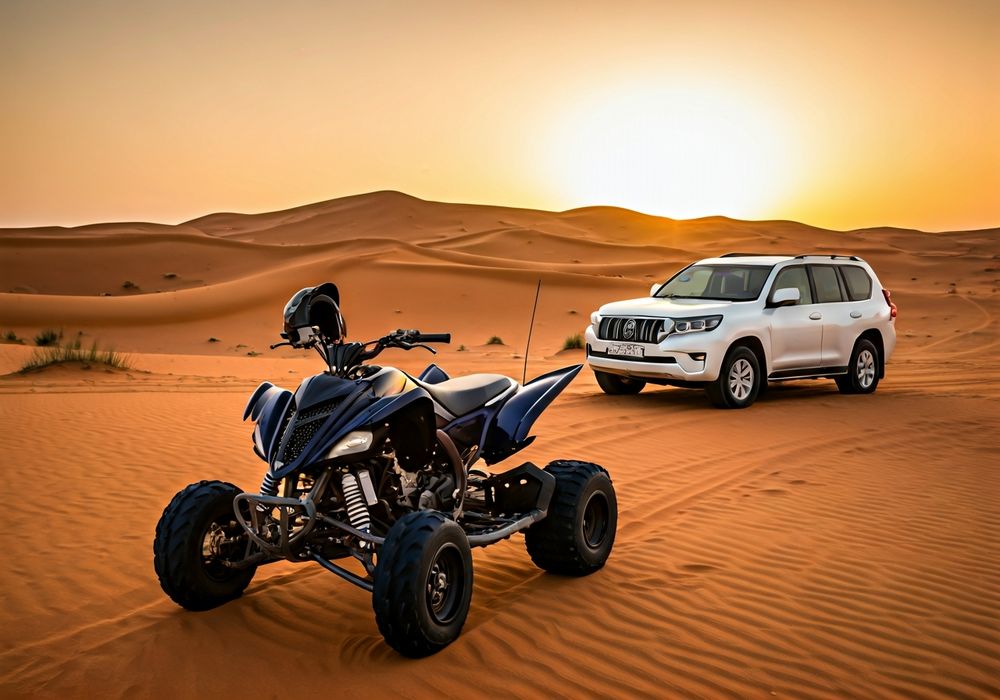
Be honest about who will drive. A vehicle that feels manageable at low speed can become tiring over a long route. Heat and dust can also affect concentration. If only one person is confident, plan for rest and avoid pushing the day too far. Desert driving rewards steady inputs and patience, not sudden moves.
Check the driving license requirement before booking. Requirements can vary by provider and by the type of vehicle, so confirm what documents are expected from each driver. If a license is missing or unclear, sort that out early rather than on the day. A smooth start depends on everyone being eligible to drive.
Read the rental terms in plain language
The next step is to understand what the rental includes. Look closely at the rental period, route expectations, fuel arrangements, and any rules about where the vehicle may be driven. An hourly rental can suit a short, focused outing. A longer booking may need clearer agreement on timing, breaks, and return expectations.
Pay attention to the damage deposit and what can lead to a deduction. Terms are easier to accept when the details are clear from the start. Ask what counts as damage, how minor scratches are treated, and whether reports are made at the end of the session. If anything feels vague, request a written explanation before agreeing.
Insurance and responsibility also deserve attention. Find out what is covered and what remains the driver's responsibility. Do not assume that every part of the vehicle or every situation is included. A careful read may feel tedious, but it prevents confusion after the drive, especially if a panel, tyre, or mirror is affected.
Check safety details before committing
Safety should shape the choice, not sit at the end as an afterthought. Ask about helmets, seat belts, roll protection, and whether a safety briefing is given before departure. A briefing is useful even for confident drivers because local terrain and group rules can differ from what people expect.
Look at the condition of the vehicle without turning the process into an inspection you are not qualified to perform. You can still notice obvious signs: worn straps, cracked mirrors, loose fittings, low-looking tyres, or warning lights. If something looks wrong, raise it before the ride begins. Mechanical repairs, brakes, and electrical faults should be handled by a qualified professional, not fixed in the field.
Also ask how the provider handles emergencies and breakdowns. A sensible plan includes a way to contact the group, a clear meeting point, and guidance on what drivers should do if a vehicle stops. The aim is not to expect trouble, but to avoid being stranded without a clear next step.
Compare the route and the pace
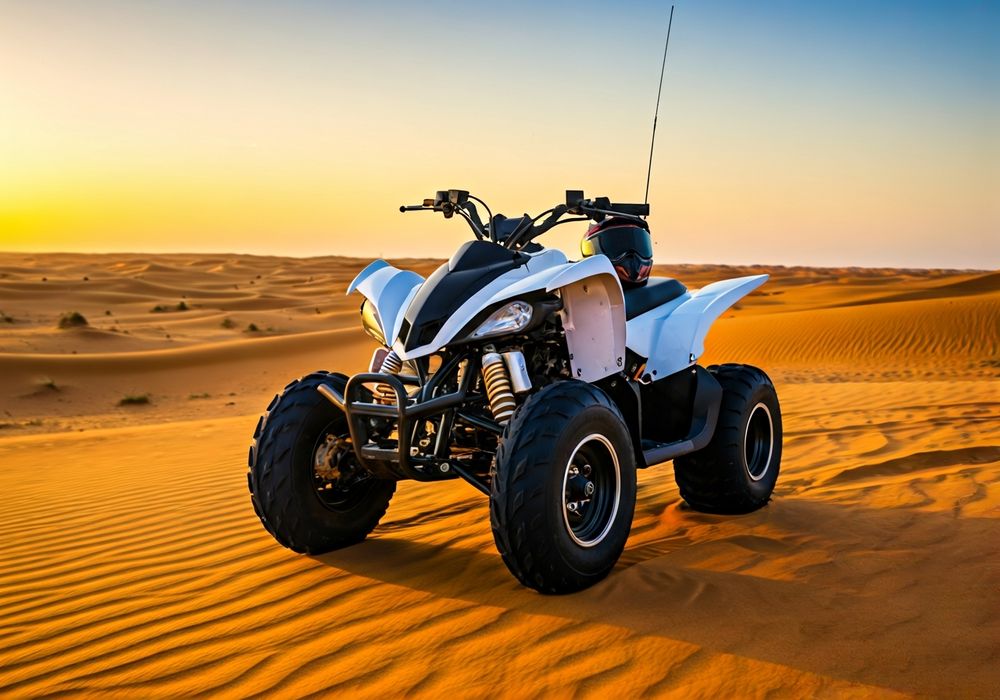
After the practical checks, compare what each option actually offers in terms of route and pace. Some routes suit open sand and wide turns. Others include firmer tracks, photo stops, or stretches that require slower driving. The route should match the group's comfort, not just look impressive in a description.
Ask whether there is a pickup service and where the drive begins and ends. Transfers can affect the whole day, particularly in warm weather. If the start point is far from where you are staying, transport details matter as much as the vehicle. Confirm meeting instructions, timing, and what happens if the group arrives late.
For a broader view of desert driving options, some readers also look at cameldesertsafaridubai.com when comparing how different activities fit into the same trip. That kind of comparison helps keep the buggy portion in proportion. A buggy ride can sit alongside other desert activities, but it should not be chosen in a rush just because it sounds dramatic.
Look beyond the headline price
Price matters, yet it should be read alongside the whole offer. A lower headline amount may not include the same level of guidance, equipment, route time, or support. A higher amount is not automatically better either. What counts is whether the inclusions match what you plan to do.
Ask whether water is provided, whether there are stops built into the route, and how long the driving portion lasts. Clarify whether the time quoted covers the full experience or only the period behind the wheel. That distinction helps when comparing an hourly rental with a longer package.
Cancellation and change rules are part of value too. Travel plans can shift, and a clear policy is easier to manage than a vague promise. Keep written details of the agreed booking, including the date, duration, vehicle type, group size, and any added services. When expectations are recorded, both sides can refer to the same facts.
Ask focused questions before booking
By this point, the choice should be narrowing. Use the final conversation to close gaps rather than repeat general questions. Good questions are specific and easy to answer in writing. They also reveal how clear and organised the provider is.
- Which buggy model is assigned to this group size, and can seating be confirmed in advance?
- What documents are needed from every driver, and are there age or experience conditions?
- What exactly does the damage deposit cover and how are concerns recorded?
- Is the route guided, and what support is available if a vehicle stops?
- What is included in the quoted time, from arrival to return?
The answers should be direct. If a response avoids the question or relies on vague reassurance, pause before paying. Clear communication before booking usually leads to a calmer day on site.

Make the final choice with comfort in mind
The right buggy rental is not always the fastest or the most elaborate option. It is the one that fits the drivers, passengers, route, weather, and time available. A compact short ride can be a good choice for a first desert outing. A longer booking can work well when the group understands the demands and wants more time away from the city.
Before confirming, revisit the main points in order: purpose, group size, driver ability, rental terms, safety, route, and total value. If each point feels settled, the decision is likely sound. If one point remains uncertain, resolve it before the booking is made. Desert driving is best enjoyed when expectations are clear and the vehicle matches the people using it.
A careful choice also leaves room for good judgement on the day. Drivers who know the limits of the vehicle, respect the route, and take breaks when needed tend to have a steadier experience. The goal is not to prove anything. It is to spend a memorable time in the desert with the right setup and no avoidable surprises.
Names and comparisons can help during research, but the final decision should rest on fit. cameldesertsafaridubai.com may be one reference point while you compare options, yet the practical questions remain the same. Choose the vehicle and terms that suit the people riding, and the rest of the day is easier to enjoy.